

Holistic Funeral Direction with Life Rites Funerals
When someone dies, families need more than logistics. They need steady hands, clear information, and a funeral director in Sydney who honours the emotional, spiritual, and practical reality of death.
Life Rites Funerals offers a different model of funeral direction. Grounded in holistic, family-led care, the team supports people before death, at the moment of death, and long after the funeral through grief and community care.
This page is designed as a comprehensive guide to funeral direction in Sydney – how it works, what your options are, and how Life Rites may walk alongside you through the entire process.
What Is Funeral Direction?
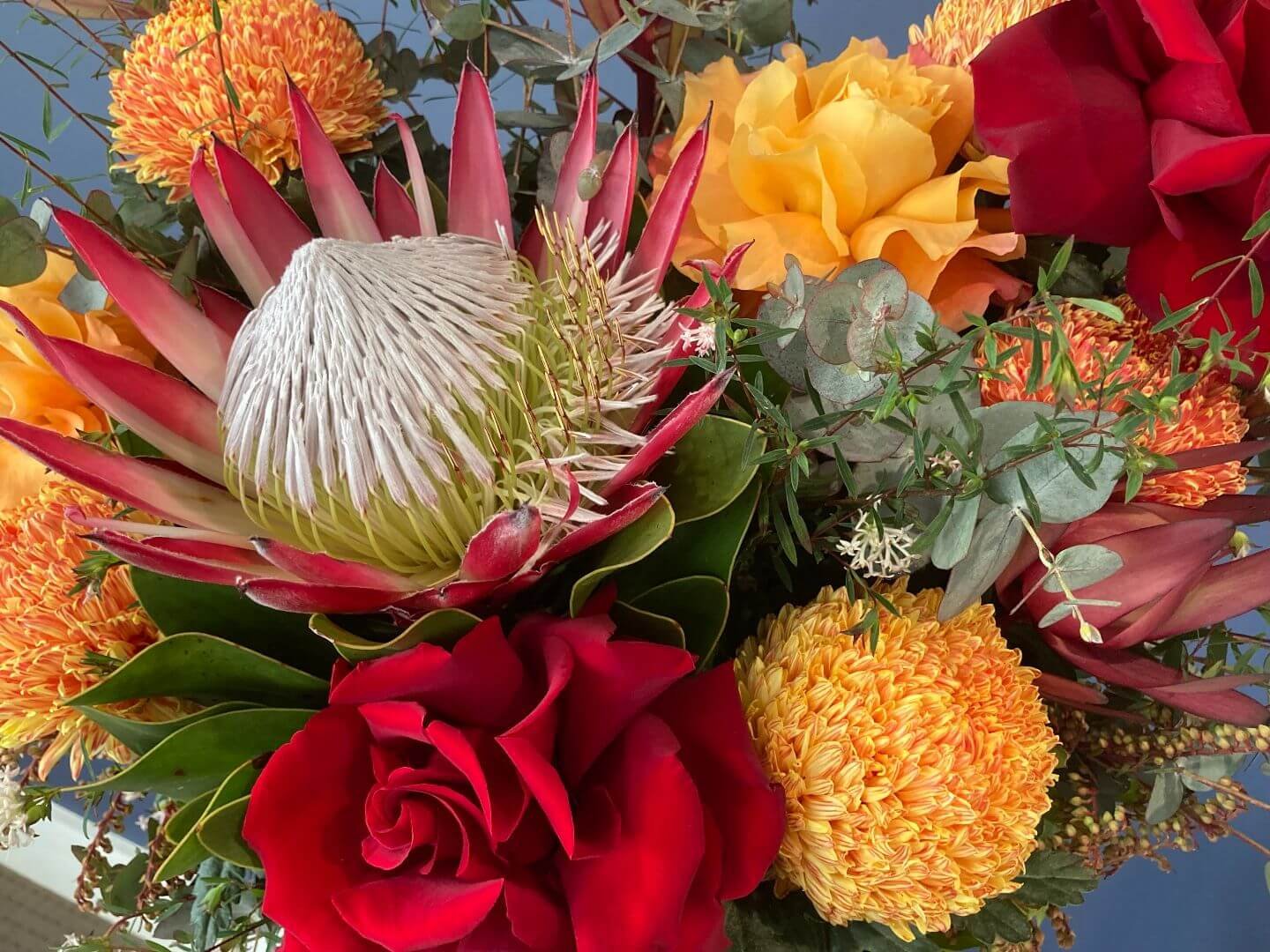
Truly holistic continuity of care
Most funeral directors step into the story after death. Life Rites approaches funeral direction as a continuum of care – from diagnosis, through dying, into the funeral ceremony and into grief.
This approach means:
Support may begin when someone is first diagnosed or living with serious illness.
Families receive guidance through the many small and large decisions that surround death.
Funerals, memorials and rituals are shaped around the person’s values, beliefs, relationships and identity – not just a standard package.
Bereavement support, including grief circles and counselling, continues after the ceremony.
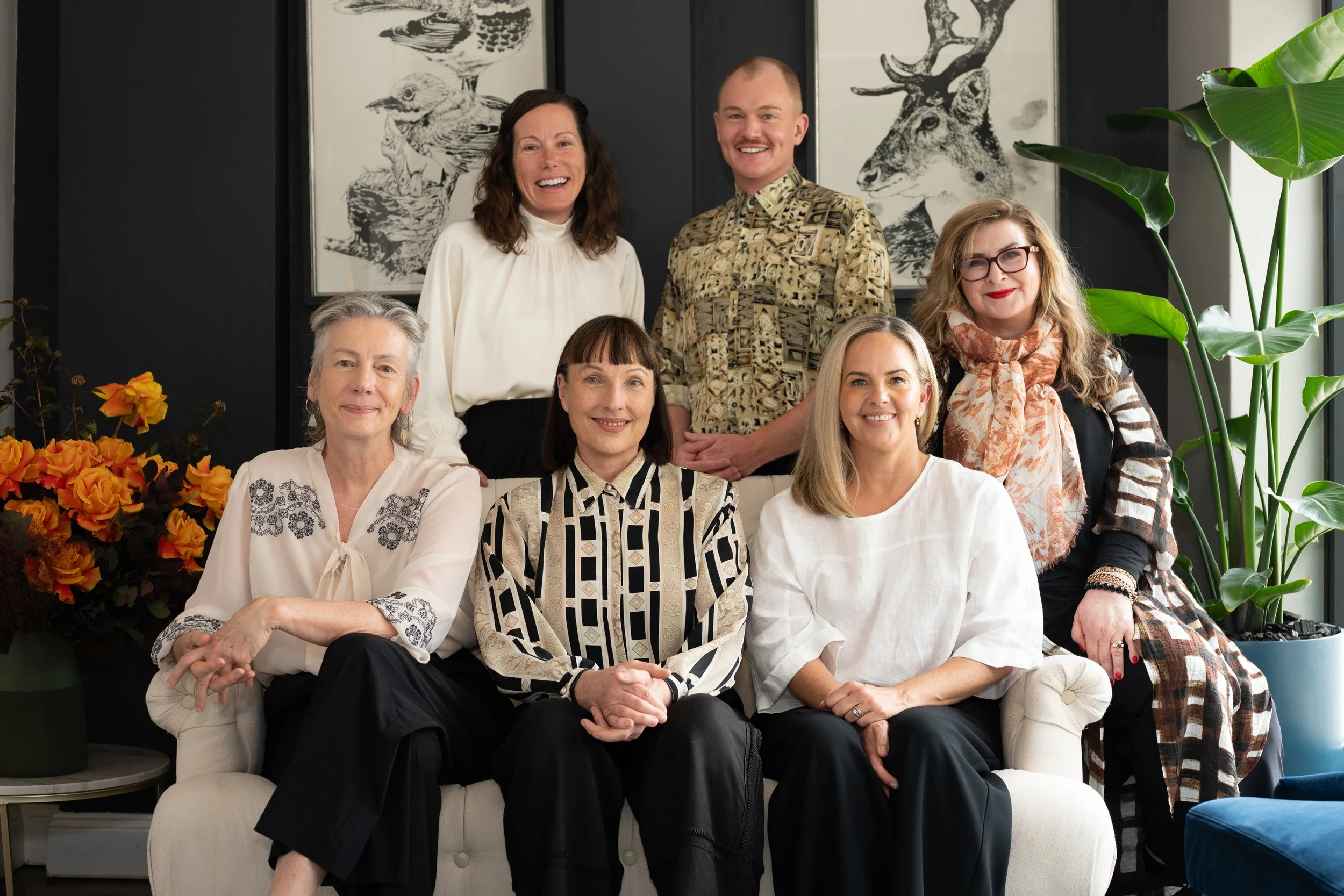
End-of-life doulas and conscious death care
A key difference at Life Rites is the integration of end-of-life doulas into the funeral direction team. End-of-life doulas offer non-medical, emotional, spiritual and practical support to individuals and families before, during and after death.
Doulas may support you to:
Explore end-of-life wishes and options, including home deaths and home vigils.
Create rituals and practices that feel meaningful – from bedside vigils to legacy projects.
Navigate hospitals, aged care or NDIS supports where appropriate.
Hold space for conversations that might otherwise feel too hard to begin.
You may learn more about Life Rites’ doula support here: https://www.liferites.com.au/doulaservices
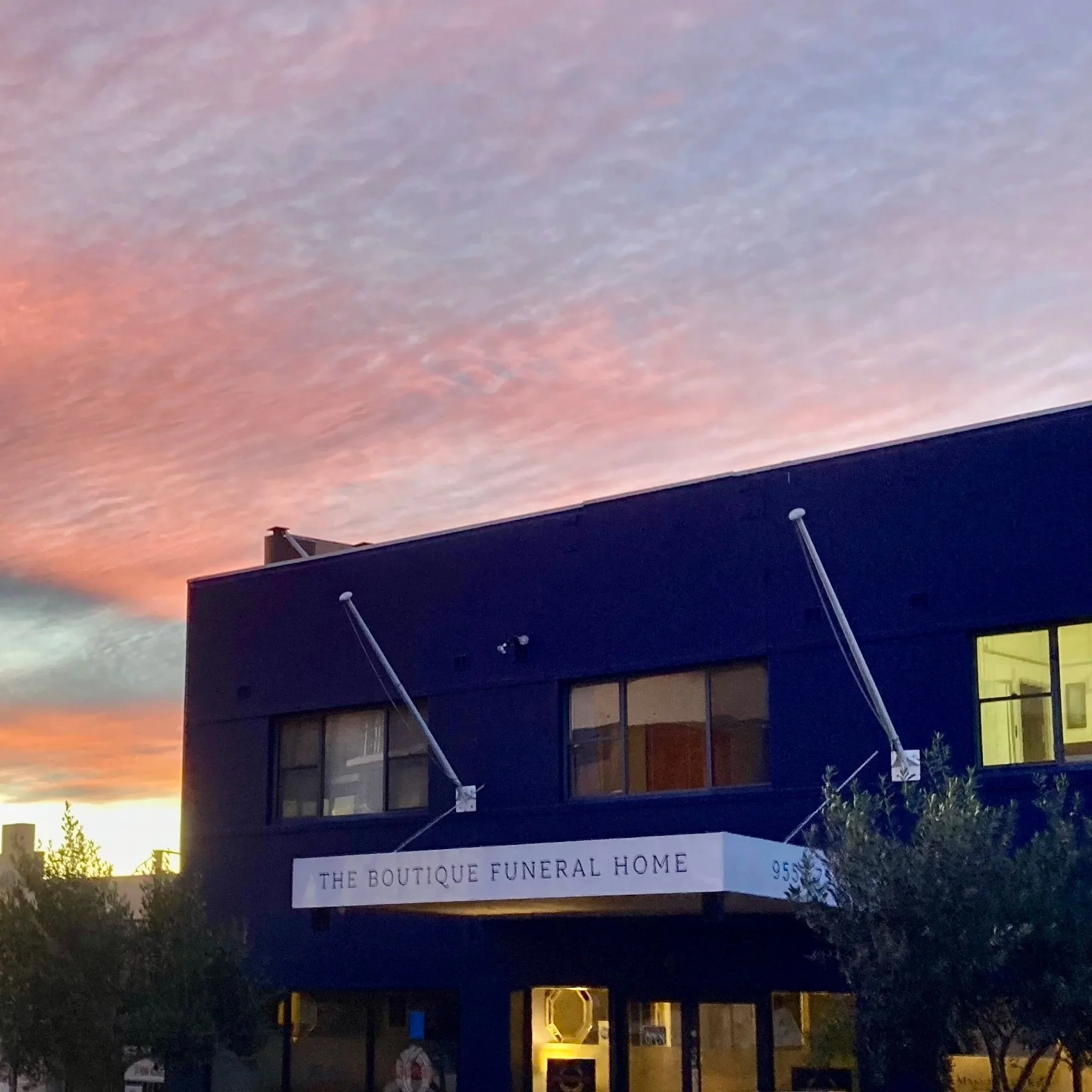
On-site mortuary and boutique funeral home in Hurstville
Life Rites operates from a warm, bespoke funeral home at 118 Durham Street, Hurstville with an on-site mortuary and an intimate chapel/gathering space.
Families often describe deep comfort in knowing:
Their loved one remains in Life Rites’ care at all times.
Body care is conducted with respect, gentleness and attention to cultural or spiritual requests.
They may visit and spend time in the Hurstville chapel, a space described as warm, inviting and deeply supportive.
You may read more about the premises here: https://www.liferites.com.au/premises
Our Funeral Direction Services in Sydney
Life Rites offers a comprehensive range of funeral direction services across Sydney, the Inner West, the Sutherland Shire and surrounding suburbs.
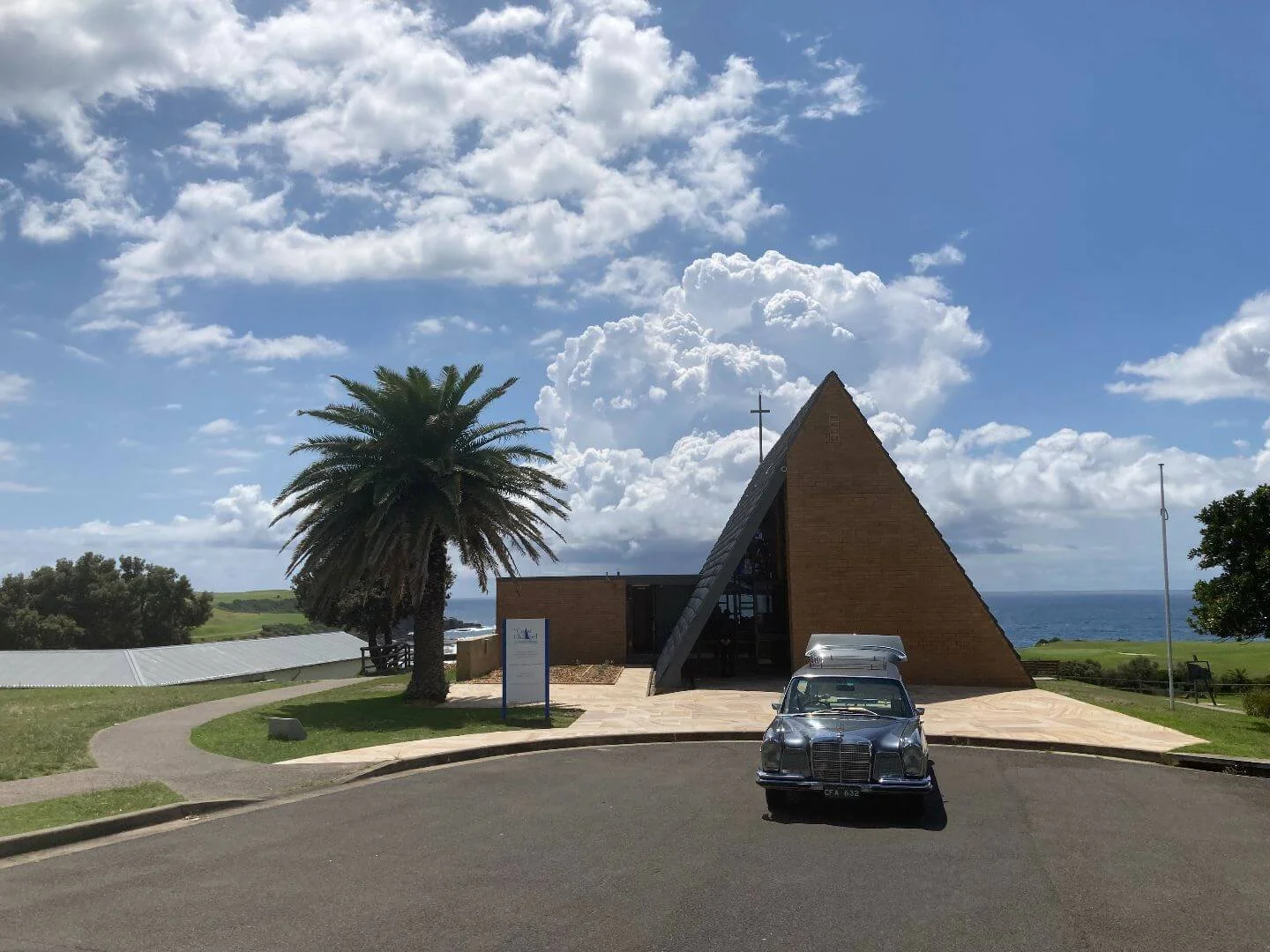
Traditional funerals
Traditional funerals remain deeply meaningful for many families. Life Rites provides:
Chapel, church or crematorium-based services (for example, Eastern Suburbs Memorial Park or Rookwood Crematorium).
Structured services that still leave room for personalised eulogies, music and symbolism.
Support in planning wakes or gatherings afterwards.

Green funerals and natural burials
For those seeking eco-conscious options, Life Rites offers green funerals and natural burials, including shroud burials, eco coffins and natural burial grounds such as Wollongong Lawn Cemetery.
Green funerals may include:
Fully biodegradable coffins and caskets – including cardboard, woven, woollen or eco timber options.
Natural fibre shrouds and minimal chemical intervention in body care.
Gravesites where the land regenerates with living plantings rather than traditional headstones.

Home funerals, home vigils and cool plate care
Home funerals invite families to keep their loved one at home for a period after death – often one to three days – creating space for slow, unhurried goodbyes.
As your funeral director in Sydney, Life Rites may:
Gently guide you through washing, dressing and laying out your person in familiar surroundings.
Provide cool plates or cooling mats to support safe, dignified home care.
Help manage visitors, ritual and logistics, and support the transfer to burial or cremation.
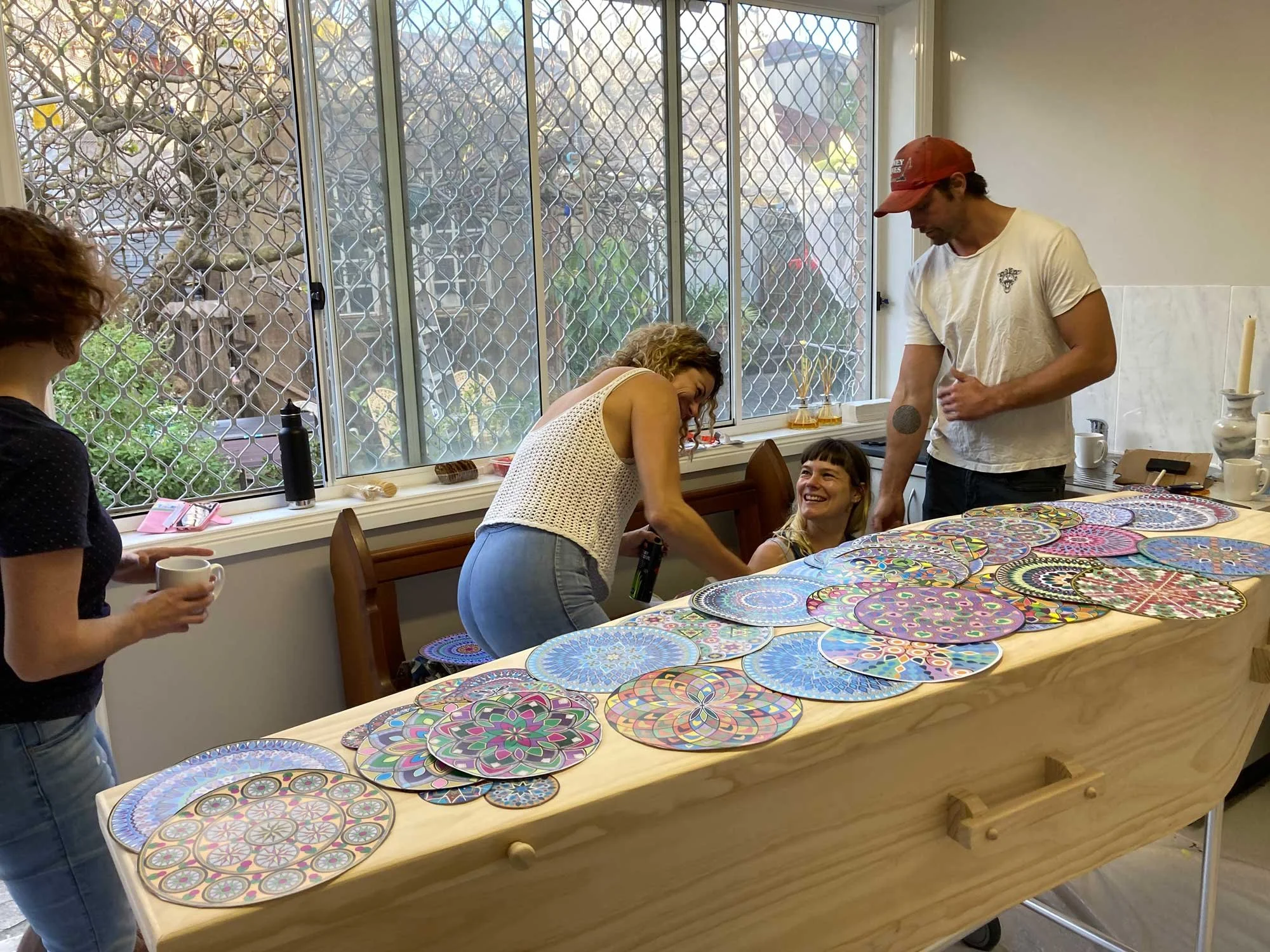
Family-led funerals
Some families feel called to lead all or part of the ceremony themselves. Life Rites supports family-led funerals by:
Providing professional back-up – logistics, paperwork, body care and venue coordination.
Coaching family members who may speak, facilitate ritual or co-create ceremony.
Holding boundaries and timeframes so that the day flows smoothly.

Cultural and faith-specific rites
Sydney families come from many cultural and faith backgrounds – Macedonian, Indian, Chinese, Greek, Pacific, Middle Eastern and more. Life Rites frequently:
Researches cultural practices where families request support.
Coordinates with faith leaders and community groups.
Blends traditional customs (e.g. incense, chanting, dress, food, burial rites) with contemporary elements such as slideshows and live streaming.
Site specific funerals and community venues
Not every funeral needs to take place in a chapel or crematorium. Life Rites regularly directs funerals in:
Libraries, community halls and arts spaces (e.g. Marrickville Library Pavilion).
Gardens, farms, coastal venues and other meaningful sites with appropriate permissions.
Hybrid formats with live streaming for interstate or overseas guests.

Memorials, living wakes and no-service options
Not every farewell involves a coffin in the room. Life Rites directs:
Memorial services held weeks or months after a cremation.
Living wakes, where a person attends their own celebration of life before death.
Direct cremation and no-service options with thoughtfully planned later gatherings.

Faith-based, inter-faith and inter-cultural funerals
Life Rites works alongside priests, ministers, rabbis, imams, monks and spiritual leaders, as well as families who identify as spiritual but not religious.
The team may:
Coordinate funeral direction within churches, temples, mosques or sacred spaces.
Help you integrate traditional rites with more contemporary rituals.
Research cultural protocols – for example Macedonian Orthodox practices – when needed.

Gentle care for babies, children and pre-term loss
Support around pregnancy loss, stillbirth and the death of babies or children requires particular sensitivity. Life Rites offers:
Gentle, age-appropriate ceremonies that honour the reality of the loss and the depth of love.
Cooling mats and baby-specific care options.
Space for parents, siblings and extended family to participate in ritual and body care if they choose.
LGBTQIA+ affirming funerals
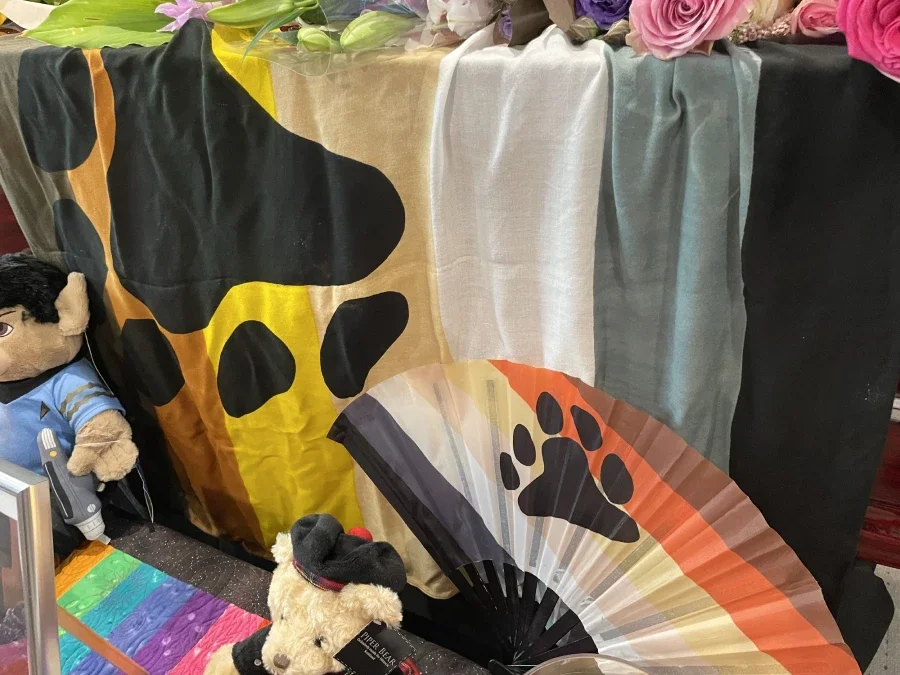
Life Rites is known as a safe, affirming funeral director for LGBTQIA+ communities in Sydney. Families describe feeling seen, respected and protected – including in situations where there might be tension or misunderstanding around identity.
For example, Paul’s funeral drew together the bear community, family and chosen family in a colourful, pride-filled service led by a Life Rites celebrant who is also part of the LGBTQIA+ community.

Voluntary Assisted Dying (VAD) support
Voluntary Assisted Dying arrangements may raise specific questions about timing, ritual and privacy.
Life Rites supports:
Pre-planning for ceremony and body care that aligns with the person’s values and legal requirements.
Doula support in the lead up to, during and after the death.
Sensitive communication with medical teams and family members.

Funerals for Indigenous Australian families
Funerals for Aboriginal and Torres Strait Islander families may involve specific community, cultural, language and Country-based needs.
Life Rites’ role as funeral director is to:
Listen carefully to Elders, family and community representatives.
Support smoking ceremonies, Welcome to Country, or other cultural practices where appropriate.
Coordinate with cemeteries or venues to respect cultural protocols.
Body care, preparation and on-site mortuary
Families often describe great comfort in knowing their person is cared for with tenderness and respect:
“My father’s body was handled with so much humanity… he was honoured in the exact way that was fitting the gentle soul he was.”
Body care may include:
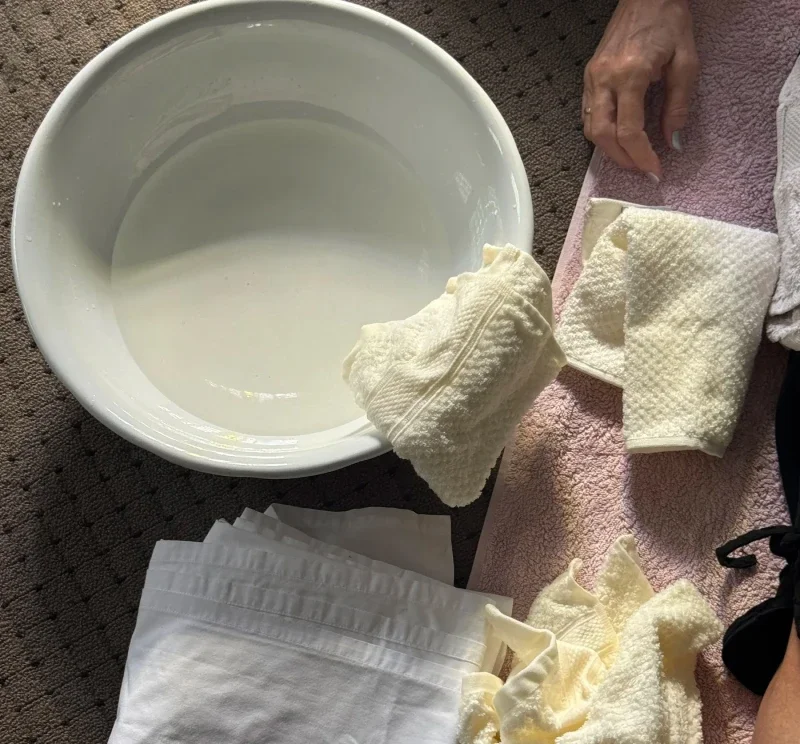
Washing, anointing and dressing according to personal, cultural or religious wishes.
Opportunities for family to participate in washing and dressing, supported step-by-step.
Use of natural products, shrouds, or specific clothing and items chosen by the family.
Safe, respectful preparation in Life Rites’ on-site mortuary space.

Sudden, traumatic and complex deaths
When a death is sudden, violent or legally complex, families often feel disoriented and overwhelmed. Life Rites provides:
Calm guidance through coronial processes and hospital or police interactions.
Extra time, space and support for shock, anger, disbelief and complicated grief.
Trauma-informed ceremony planning that respects the person’s story without sensationalising their death.

Paperwork, logistics and legal requirements
As your funeral director in Sydney, Life Rites manages the practical side so that you may remain focused on your person and your family.
This includes:
Liaising with hospitals, aged care facilities and coroners.
Transporting your loved one into care and to the funeral or burial site.
Obtaining medical certificates, cremation permits and registering the death.
Coordinating venues, live streaming, floristry, music, AV, orders of service and more.
How Our Sydney Funeral Direction Process Works
While every funeral is unique, most journeys move through the following stages.
2. Gathering information and initial choices
The team gently gathers the information required by law and for planning – basic personal details, immediate family, doctor’s details, and initial preferences around burial or cremation.
1. First contact – any time, day or night
Families usually reach out by phone on 0421 200 250 or via the Contact page. At this stage you may simply need information and reassurance. A senior member of the team listens, answers immediate questions and outlines the next steps.
3. Bringing your person into care
Two staff members attend to bring your loved one into the care of Life Rites, whether from home, hospital, aged care or another location. Families often remark on the grace and professionalism of this moment.
4. Planning meeting and ceremony design
In person or online, your funeral director and (if you choose) celebrant meet with you to:
Hear stories about the person’s life, identity and relationships.
Shape ceremony elements – music, readings, speakers, rituals, symbols, slide shows.
Clarify venue, date, time and practical boundaries (capacity, AV needs, accessibility, parking, catering).
5. Body care and viewing options
Behind the scenes, body care takes place in the on-site mortuary. Families may request:
Viewing in the chapel.
Time at home with a cool plate.
Specific clothing or shroud.
6. The day of the funeral or memorial
On the day, Life Rites coordinates arrivals, liaises with venue staff, manages timings and supports speakers and family. Many testimonials describe services that felt personal, intimate and “exactly like them”.
7. After the ceremony
Support continues after the formal farewell, including:
Timely return of ashes where applicable.
Follow-up contact to check how you are travelling.
Monthly grief circles and counselling options for those who may wish to continue processing and integrating their loss.
Need to speak with a funeral director in Sydney?
Call Life Rites on 0421 200 250 or send a message here to discuss your situation and options – there is no obligation, and early conversations often ease uncertainty.

Arrange a 15 minute obligation free consultation
to discuss our process and service fees.
Looking for another specific service?
-
End-of-Life Doula Services
We give practical and emotional support to people living with a terminal illness. An end-of-life or death doula provides guidance through what is often a difficult and complex time for everyone involved.
-

Funeral Direction
We work with a wide-range of people and offer a wide-range of services to help you make the best and most appropriate choices for you and for all involved.
-

Home Vigil and Cool Plate
A Life Rites practitioner will talk you through the set up and use of the cooling beds and how best to support all involved during this time. We can deliver the bed to your home, walk through the preparation of your family member with you and be available to oversee the vigil as needed.