

Funeral Options In Sydney
When someone dies, families in Sydney are often presented with a narrow set of choices: a standard burial or a standard cremation. Yet many people feel that these options do not reflect who their person was, what they believed, or how their community grieves.
This guide to Funeral Options in Sydney is designed to open that landscape back up. It explains the full continuum – from familiar, traditional funerals through to home-based, green, site-specific and identity-affirming ceremonies – and shows how Life Rites Funerals supports families to choose what genuinely fits.
Life Rites approaches death care as holistic, heart-centred and inclusive. The team provides both funeral direction and end-of-life doula support, walking with families before, during and after the funeral – not just on the day of the ceremony.
Understanding Modern Funeral Options in Sydney

The Funeral Continuum: Traditional to Alternative
Most people first hear about funerals through very traditional frameworks:
A church or chapel service, followed by burial or cremation
Set packages, timelines and venues controlled by a large funeral company
At one end of the continuum are these familiar, conventioal funerals: comforting for those who want something recognisable, especially in times of shock.
At the other end are highly personalised, family-led and place-based rites:
Natural or green funerals in bushland cemeteries
Home vigils with a cool plate, where the person remains at home for several days
Site-specific ceremonies in community halls, gardens, galleries, beaches or backyards
Memorials or living wakes without the body present
Life Rites sits across the whole continuum. The team is equally at ease arranging a traditional chapel funeral, a direct cremation with no service, or a deeply alternative, ritual-rich farewell.

How Life Rites Helps You Navigate Choices
When grief, logistics and family dynamics meet, even simple decisions feel heavy. Life Rites responds by:
Listening first – to who the person was, and who their community is
Explaining options plainly – without jargon or corporate pressure
Balancing needs – cultural, financial, spiritual, environmental and emotional
Designing a pathway – from first phone call, through ceremony, into aftercare
You are not expected to arrive knowing the exact funeral type. The role of the team is to translate your values and stories into an appropriate form, whether that is a small graveside gathering, a home-based vigil, a large public ceremony, or a staged combination of these.
Not sure where to begin?
Start with a gentle conversation about your funeral options in Sydney.
Foundational Funeral Options
Before exploring the more specialised offerings, it helps to understand the three foundational funeral models that underpin most choices in Sydney.

Traditional Burial Funerals
A traditional burial funeral usually involves:
A viewing or time with the person (at home, the chapel or both)
A funeral service (religious, spiritual or secular) at a church, chapel or other venue
A burial in a cemetery, often with a graveside component
This option may suit families who:
Have an existing family plot or cultural preference for burial
Value a permanent gravesite as a place of ongoing connection
Feel supported by ritual structures offered by their faith or cultural community
Life Rites arranges all aspects – from liaising with the cemetery, clergy or faith leaders through to transport, coffins or shrouds, floral design, music, live streaming and post-funeral gatherings.

Traditional Cremation Funerals
A traditional cremation funeral retains many of the familiar elements (service, eulogies, music) but concludes with cremation rather than burial.
Families may:
Gather in a chapel at a crematorium or in a community venue
Accompany the coffin to the cremator doors, or choose a private cremation later
Later scatter ashes, keep them in an urn, or inter them at a memorial site
Life Rites supports decisions around urns, scattering rituals and memorialisation, with dedicated product and information pages to explore.

Direct Cremation / No-Service Funerals
Direct cremation, sometimes called a no-service funeral, involves:
Transfer of the person into care
Completion of all legal paperwork and arrangements
Cremation without a formal funeral service at the crematorium
Families may then hold:
A private gathering at home
A later memorial or celebration of life
A ritual at the time of scattering ashes
For some, this approach feels more honest, private or financially sustainable. For others, it becomes a way to separate the administrative aspect of death from a later, more creative or community-led farewell.
Life Rites has extensive experience supporting families through direct cremation followed by tailored ceremonies, including parties, picnics and memorials held weeks or months later.
The Life Rites Difference: Holistic & Inclusive Funeral Options
Beyond the foundations, Life Rites offers a set of specialised funeral options that reflect its values: holistic, community-minded and deeply inclusive.
Green & Eco-Friendly Funerals
Green funerals minimise environmental impact while honouring the person’s relationship with nature. Options may include:
Natural burial grounds where graves return to bushland
Biodegradable coffins or shrouds, free from toxic glues and varnishes
Planting native species rather than erecting headstones
Ceremonies that emphasise nature, cycles and renewal
In one Life Rites natural burial, James was wrapped in a natural fibre shroud and placed in a sustainably crafted coffin, then laid to rest in a regenerative burial area surrounded by native grasses and trees. For his family, it felt “gentle on the earth and rich in meaning.”

Family-Led & Home Funerals
Many families sense that death care is something they wish to be more directly involved in – washing, dressing, sitting with and farewelling their person at home. Life Rites offers:
Family-led funerals, where family members are central in planning, speaking and ritual-leading
Home funerals and home vigils, supported by the use of a cool plate and clear guidance
A typical home funeral might include:
The person remaining at home for several days, resting in a familiar room
Friends and family visiting freely, rather than in 15-minute viewing windows
Family assisting with washing, dressing and placing precious items with the body
A small ceremony in the home, or in the garden, led by family, celebrant or both
Case studies show that, for many families, time and touch in the home environment ease the initial shock of loss and deepen the sense of having truly said goodbye.
Site-Specific & Community-Based Funerals
Some lives are woven tightly with particular places: a library, a gallery, a community garden, a music venue, a local beach. Site-specific funerals bring the ceremony to these meaningful spaces.
Examples include:
A pavilion at Marrickville Library filled with neighbours and local friends
A memorial at Camperdown Commons, surrounded by community gardens
A backyard or favourite café where people share food, stories and music
Life Rites manages the complex logistics of non-standard venues – venue hire, AV, catering, accessibility, live streaming and council requirements – so you stay focused on being present.
LGBTQIA+ Affirming Funerals
For queer, trans and gender-diverse people, funerals may be fraught. Families sometimes feel uneasy about whether a person’s gender, sexuality or chosen family will be truly honoured.
Life Rites operates from a queer-informed model of care, emphasising:
Correct pronouns and names
Recognition of chosen family alongside or instead of biological family
Inclusive language in all materials and on the day
Ceremonies that reflect queer joy, community and culture
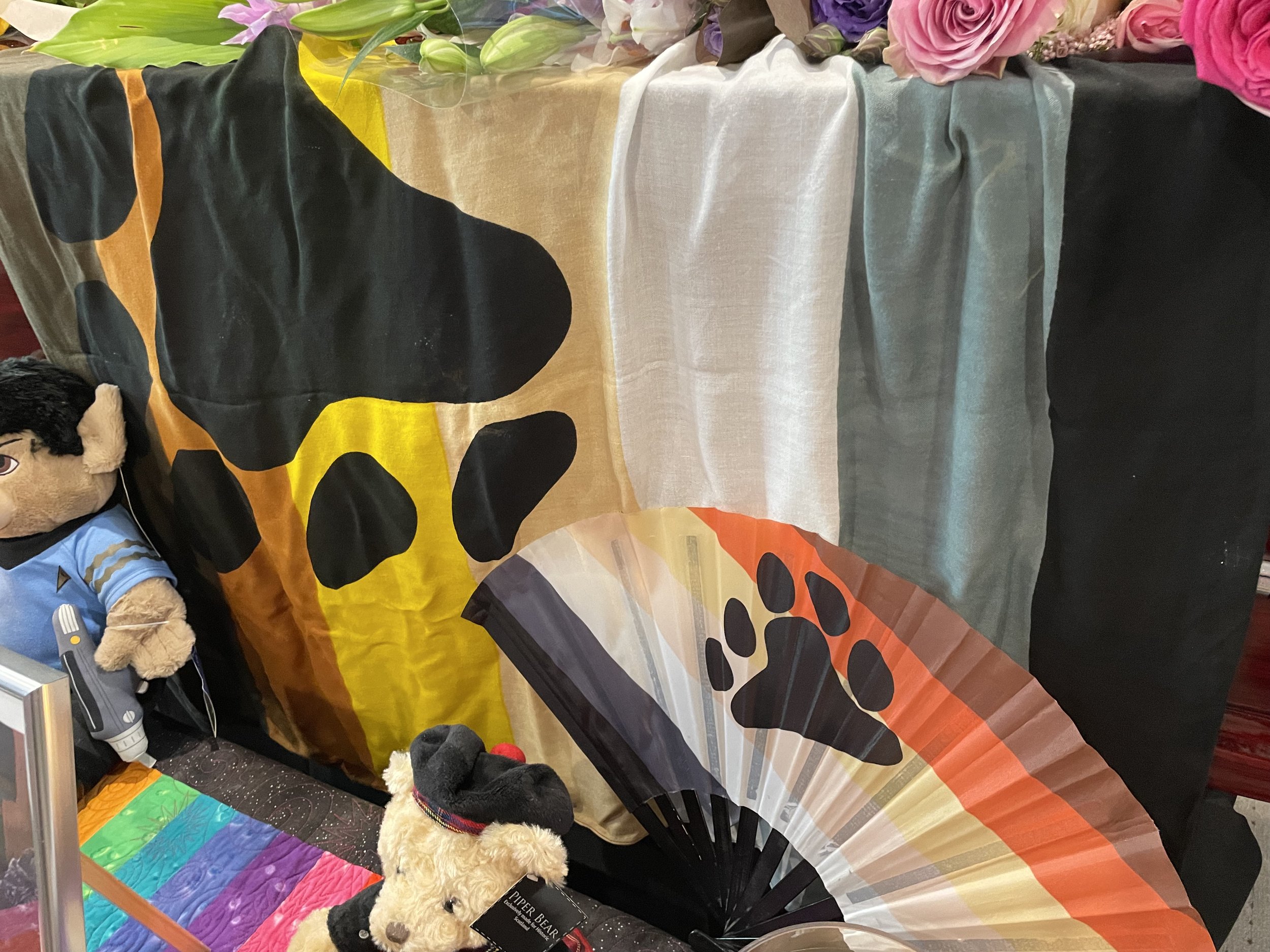
In one funeral for a beloved member of the bear community, colours and rainbows transformed the space, and Life Rites celebrant Ben – himself part of the LGBTQIA+ community – led with deep understanding of the culture and relationships present.
Testimonials describe Life Rites as an “LGBT+ safe place” and praise the team for ceremonies that feel like the person, not a generic template.

Faith-Based, Inter-Faith & Inter-Cultural Funerals
For many families, faith and culture are central to funeral rites. Life Rites collaborates respectfully with:
Christian denominations (Catholic, Anglican, Orthodox and more)
Hindu, Buddhist, Muslim and other religious communities
Inter-faith families where beliefs differ
Culturally diverse communities (Greek, Chinese, Macedonian, Indian, Pacific Islander and beyond)
Services may be held in churches, temples, community spaces or the Life Rites chapel, integrating:
Traditional prayers, readings and liturgy
Cultural mourning customs and symbols
Hybrid structures where religious leaders and Life Rites celebrants share the role
In one ceremony, Life Rites worked closely with St James’ Church and the parish choir to honour Grace, whose life was steeped in music and worship

Funerals for Indigenous Australian Families & Communities
Life Rites is committed to cultural safety and deep consultation when supporting Aboriginal and Torres Strait Islander families.
Key principles include:
Respecting cultural authority – following the guidance of Elders and family
Honouring Country, kinship and community protocols
Allowing time and space for Sorry Business and extended family involvement
Being attentive to specific requests around smoking ceremonies, song, dance and language
The team recognises that each community’s protocols are unique, and approaches every Indigenous funeral with humility, curiosity and respect.
Memorials, Living Wakes & Celebrations of Life
A memorial or celebration of life is a gathering held without the body present – sometimes after burial or cremation, sometimes months later. These are particularly helpful when:
Family and friends are widely dispersed
A loved one chose a direct cremation with no formal funeral
The community wishes to emphasise storytelling, music and connection
Examples include:
Memorials at community venues, gardens or private homes
Living wakes, held while the person is still alive and able to attend
Anniversary or milestone gatherings where ashes are interred or scattered
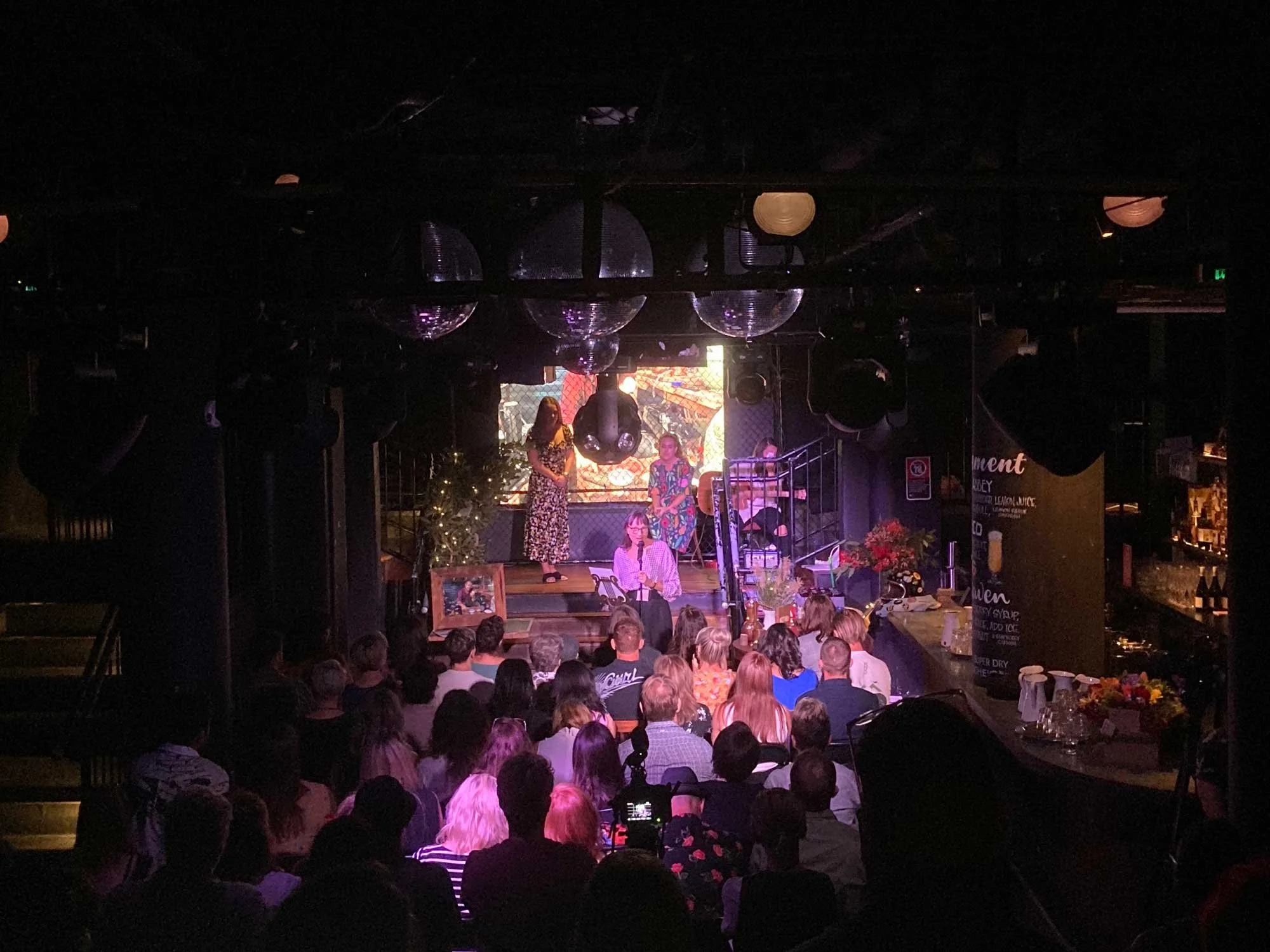
In Tracy’s case, a small, traditional farewell at the crematorium was followed by a larger memorial at Camperdown Commons – allowing both her mother’s wishes and her broader community’s needs to be honoured.

Funeral Options After Sudden, Traumatic or Complex Deaths
When death is sudden, traumatic or complex – through accident, suicide, violence, or complicated family circumstances – families face additional layers of shock, anger and logistical difficulty.
Life Rites offers specialised support for these situations, including:
Close liaison with coroners, hospitals and police
Trauma-aware ceremony design
Extra time for planning, consulting, and pacing decisions
Safe spaces for conflicting emotions to be acknowledged
The team’s experience, including doula care and counselling, means families are not left to navigate these complicated systems and feelings alone.
Practical Considerations: Cost, Law & Logistics
Cost Transparency & Value
Cost is often one of the first questions families ask, and understandably so. Life Rites emphasises transparent, itemised pricing rather than opaque packages.
Factors that influence cost across funeral options in Sydney include:
Burial vs cremation
Choice of coffin, casket or shroud
Venue hire (chapel, church, community space, outdoor permits)
Professional fees (funeral direction, celebrant, doula support)
Additional elements (live streaming, musicians, printed materials, catering)
Families are guided through a clear comparison of:
Traditional funerals (often with higher venue and coffin costs)
Direct cremation plus memorial
Green and home funerals, which may shift costs away from venues and towards eco products or in-home support
Timeframes, Venues & Availability
Timeframes differ depending on:
Coroner involvement
Public holidays or religious festivals
Venue and cemetery availability
Family readiness
Some families need a funeral as soon as reasonably possible. Others prefer time to gather interstate relatives, plan a more complex ceremony, or hold a later memorial.
Because Life Rites is a boutique, independent funeral home with its own mortuary and chapel, there is more flexibility in scheduling, including extended time with the person in the Hurstville chapel or at home.
Legal Requirements & Paperwork in NSW
Every funeral option still sits within a legal framework. Life Rites handles the necessary paperwork, including:
Medical certificates and cause-of-death forms
Death registration with NSW authorities
Cremation permits and cemetery documentation
Notices and permissions for body transport and care
For home funerals and longer home vigils, there are specific guidelines around timeframes, body care and use of cool plates; families receive clear information and supportive instruction at every step.
It also helps to understand the difference between:
A funeral director – who manages logistics, legal requirements, care of the body, vehicles, staff and the funeral day itself
An end-of-life or mortality doula – who focuses on emotional, spiritual and practical support before and after death, including planning, legacy work and family support
Life Rites offers both – which creates continuity of care from diagnosis or ageing, through to death and bereavement.
How Involved May Family & Friends Be?
Across all funeral options, involvement ranges from fully directed to highly participatory. Families may choose to:
Wash and dress the body with gentle guidance
Place special objects, letters or artworks in the coffin or shroud
Carry the coffin, read, sing, play music or facilitate rituals
Decorate the venue with flowers, fabrics, photos and meaningful items
Co-create the eulogy and ceremony structure with the celebrant
Testimonials repeatedly highlight how healing it felt to be invited into these roles, rather than being pushed to the sidelines.

Integrated Support: Before, During & After the Funeral
Life Rites is more than a funeral service provider; it is a continuum-of-care practice.
Support spans:
End-of-life doula support – for those living with serious or life-limiting illness, and their families, including at-home support to create a calm environment around dying
Guidance and counselling – grief counselling, anticipatory grief support, decision-making support, and help navigating hospitals, aged care and NDIS-related questions
Grief circles and community programs – group spaces for ongoing reflection, ritual and connection after the funeral
Families frequently describe Life Rites as “a compassionate companion through death, grief, and ceremony”, noting that these services helped the funeral feel like part of healing, rather than an isolated event.
How to Choose the Right Funeral Option
Choosing between multiple funeral options in Sydney may feel overwhelming. A few guiding questions help clarify direction:
What mattered most to the person?
Nature, ritual, art, community, religion, activism, family, culture, quiet simplicity?What does the family need emotionally?
Time, touch, privacy, community, structure, space for complicated relationships?What are the practical realities?
Budgets, mobility and access needs, travel, timeframes, public/private preferences?Whose identities and cultures need to be centred?
Indigenous, multicultural, queer, neurodivergent, disabled, inter-faith or blended families?
By holding all of these together, the team supports you to arrive at a fitting combination – such as a direct cremation, followed by a home-based memorial, or a traditional church funeral paired with a green burial, or a home vigil ending in a site-specific public celebration.
Our Process: Exploring Funeral Options with Life Rites
To make this broad landscape manageable, Life Rites follows a clear, relational process:
Step 1 – First Contact & Immediate Support
Whether death is expected or sudden, the first call is about safety and next steps:
Immediate practical guidance (“What do we do now?”)
Arranging transfer into care or supporting a home vigil
Answering urgent questions with calm clarity
Step 2 – Understanding the Person & the Community
Next, the team gathers stories:
Who the person was, what they loved, how they lived
Family and community structures (including chosen family)
Cultural, faith and accessibility needs
This becomes the foundation for choosing funeral options that align.
Step 3 – Presenting Tailored Options
Rather than pushing a single package, Life Rites lays out several pathways, such as:
Traditional cremation funeral + later memorial
Home vigil + graveside ceremony
Green burial with small circle + community celebration later
Direct cremation + living wake
Costs, logistics and emotional implications are explained so families feel supported to decide.
Step 4 – Planning the Ceremony & Details
Once an option is chosen, Life Rites coordinates:
Venue, date and time
Coffins, caskets or shrouds
Music, readings, ritual elements and visual tributes
Live streaming, filming, photography if desired
Liaison with clergy, celebrants, cultural leaders or community speakers
Families are involved to the degree that feels right, with support to write eulogies, select readings, and design meaningful rituals.
Step 5 – The Day & Beyond
On the day, the team holds the logistics so you may focus on your person and your community. Afterwards, support continues through:
Debriefing conversations
Guidance around ash scattering, memorialisation or later ceremonies
Referral into grief circles and counselling if desired
Phone 0421 200 250 or use the contact form to arrange a conversation with Life Rites Funerals.
FAQs: Funeral Options Sydney
-
Life Rites offers the full spectrum of funeral options. This includes traditional burial and cremation funerals, direct cremation with or without a service, green and natural burials, family-led and home funerals, site-specific ceremonies in community spaces, faith-based and inter-faith services, funerals for Indigenous Australian families, LGBTQIA+ affirming funerals, and a wide range of memorials, living wakes and celebrations of life. The team also provides end-of-life doula support, counselling and grief circles, so you are held before, during and long after the funeral.
-
Start by considering the person’s wishes (if known), cultural or religious frameworks, environmental values, budget and the needs of the family. Some people feel strongly about burial and a physical gravesite; others prefer cremation with ashes scattered at a meaningful place. Green burials appeal to those who value sustainability, while direct cremation suits families who prefer a simple, low-key approach followed by a more personalised memorial later. A conversation with Life Rites helps clarify what aligns best with your situation.
-
Yes, home funerals and home vigils are permitted within certain guidelines. There are legal requirements around death registration, body care, transport and timeframes, and these differ slightly depending on circumstances. Life Rites supports families who wish to keep their person at home for a period, using a cool plate, clear information and doula-style guidance. This blends respect for law with respect for family autonomy, ensuring both safety and sacredness in the home environment.
-
A green funeral focuses on reducing environmental impact. This may involve burial in a natural burial ground, use of biodegradable coffins or shrouds free of toxic materials, and avoiding concrete vaults or heavy chemical embalming. The surrounding landscape is allowed to regenerate naturally, often without headstones. Ceremonies tend to emphasise cycles of nature and gentle return to the earth. Life Rites designs green funerals that still hold all the emotional depth and ritual care of a traditional funeral, but with an ecological lens.
-
Life Rites is recognised as an LGBTQIA+ safe and affirming funeral home. This means pronouns, names and identities are respected without question; chosen family is honoured; and ceremony design reflects queer community, culture and relationships. Queer and trans clients and families speak about feeling genuinely seen and safe, rather than having to educate their funeral provider in the midst of grief. Life Rites has celebrants and team members from within the LGBTQIA+ community, which brings lived understanding to these funerals.
-
Life Rites works closely with Indigenous families to ensure that cultural protocols and community expectations shape the funeral from the outset. This includes listening to Elders, respecting Sorry Business, allowing extended family involvement, and incorporating specific rituals such as smoking ceremonies, language, song and dance where requested. The team understands that each community is different, and approaches Indigenous funerals with humility, curiosity and a commitment to cultural safety.
-
It is very common for families to hold different views. One branch may want a church funeral and burial; another may lean towards a simple cremation and casual memorial. Life Rites specialises in blended solutions – for example, a small, traditional farewell at a crematorium followed by a larger, less formal memorial in a community venue. The team’s role is to facilitate conversations, explore underlying needs and design a layered approach that honours as many of these as possible.
-
Families describe Life Rites’ pricing as transparent, fair and free of hard sell. Instead of upselling packages, the team itemises options and explains where costs arise (such as venues, coffins, transport, professional fees and extras). There are no surprise add-ons, and families are supported to align choices with both values and budgets. For those considering pre-planning, Life Rites also discusses costs in advance so there is clarity before decisions are needed.
-
A funeral director focuses on logistical and legal aspects – transport, care of the body, paperwork, bookings, staffing and the smooth running of the funeral day. An end-of-life or death doula offers non-medical emotional, spiritual and practical support before and after death – helping with planning, communication, legacy work and grief. Life Rites brings both into one integrated practice, meaning families experience continuity of care from diagnosis or ageing, through death and into bereavement.
-
Life Rites is based in Hurstville and regularly supports families across the Inner West, Sutherland Shire, Eastern Suburbs and broader Greater Sydney region. The team also travels further afield for particular ceremonies and offers online planning and support where appropriate. If you are unsure whether your suburb is covered, the best step is to reach out for a conversation about what you need and where you are located.
If you are researching funeral options in Sydney for yourself or someone you love, you do not have to map this terrain alone.
Life Rites Funerals offers:
Deep experience in traditional, alternative and hybrid funerals
A holistic model that includes doula support, ceremony, counselling and grief care
Strong commitments to cultural safety, queer affirmation and ecological awareness
Next steps you may take today:
Download or print a personal funeral planning checklist to start conversations with family
Arrange a pre-need consultation to record your own wishes
Contact Life Rites after a recent death for immediate, calm guidance
Talk through your funeral options in Sydney
Phone 0421 200 250 (24 hours) or use the form on the contact page to begin a conversation.
Areas We Serve
Looking for another specific service?
-

End-of-Life Doula Services
We give practical and emotional support to people living with a terminal illness. An end-of-life or death doula provides guidance through what is often a difficult and complex time for everyone involved.
-

Funeral Direction
We work with a wide-range of people and offer a wide-range of services to help you make the best and most appropriate choices for you and for all involved.
-

Home Vigil and Cool Plate
A Life Rites practitioner will talk you through the set up and use of the cooling beds and how best to support all involved during this time. We can deliver the bed to your home, walk through the preparation of your family member with you and be available to oversee the vigil as needed.